Baked Egg & Cheese Casserole
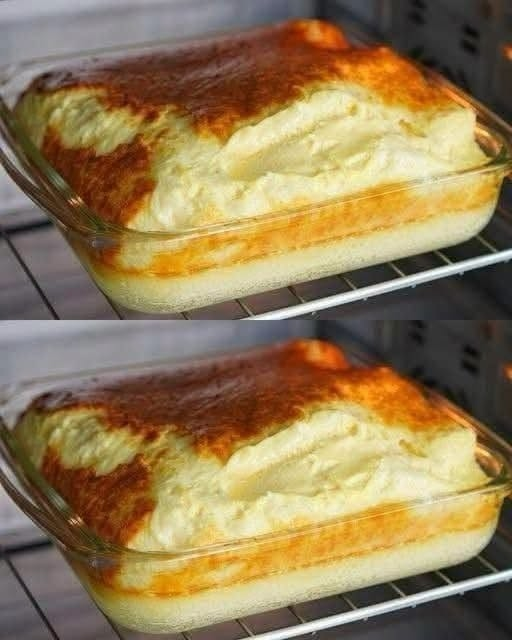
This Baked Egg & Cheese Casserole is a soft, fluffy, oven-baked breakfast dish with a beautiful golden-brown top and a creamy, cheesy interior. The recipe is inspired by your uploaded picture.
It is similar to a soufflé-style egg casserole, with a light, airy texture and a rich cheesy flavor. It is perfect for breakfast, brunch, or a simple family dinner.
– Prep time: 15 minutes
– Baking time: 35–45 minutes
– Total time: Approximately 1 hour
– Servings: 6
– Difficulty: Easy
– Nut status: Naturally nut-free when prepared with suitable ingredients
1. Ingredients
mashed.com
Main ingredients
Ingredient Quantity
Large eggs 8
Cheddar cheese, shredded 2 cups (200 g)
Whole milk 1 cup (240 ml)
Cream cheese, softened 4 oz (115 g)
Unsalted butter, melted 2 tablespoons
All-purpose flour ¼ cup (30 g)
Baking powder 1 teaspoon
Salt ½ teaspoon
Black pepper ¼ teaspoon
Garlic powder ½ teaspoon
Onion powder ½ teaspoon
Optional ingredients
Ingredient Quantity
Mozzarella cheese ½ cup (50 g)
Parmesan cheese ¼ cup (25 g)
Chopped green onions 2 tablespoons
Fresh parsley 1 tablespoon
Paprika ¼ teaspoon
Cooked turkey or chicken ½ cup
Spinach, chopped ½ cup (squeezed dry)
For the casserole in your picture, cheddar and mozzarella together create a delicious cheesy texture. The optional meat and vegetables are not necessary.
2. Full Detailed Preparation Method
7
Step 1: Preheat the oven
1. Preheat your oven to 180°C (350°F).
2. Lightly grease a rectangular glass baking dish with butter.
3. Use a dish approximately 9 × 13 inches (23 × 33 cm).
If using a smaller or deeper dish, the casserole may need extra baking time.
Step 2: Prepare the eggs
1. Crack all 8 eggs into a large mixing bowl.
2. Whisk thoroughly until the yolks and whites are fully combined.
3. Add the whole milk.
4. Add salt, black pepper, garlic powder, and onion powder.
5. Whisk until smooth.
Step 3: Add the cream cheese
1. Make sure the cream cheese is softened at room temperature.
2. Add it to the egg mixture.
3. Whisk or beat until mostly smooth.
Small cream cheese lumps are acceptable and will melt during baking.
Step 4: Add the dry ingredients
1. In a separate bowl, combine flour and baking powder.
2. Mix well.
3. Gradually add the dry mixture to the eggs.
4. Whisk until no dry flour remains.
The flour helps the casserole hold its shape, while the baking powder gives it a little extra lift.
Step 5: Add the cheese
1. Add the shredded cheddar cheese.
2. Add mozzarella if desired.
3. Add melted butter.
4. Fold gently with a spatula.
Reserve a small amount of cheese for sprinkling on top.
Step 6: Pour into the baking dish
1. Pour the mixture into the prepared glass baking dish.
2. Spread it evenly.
3. Sprinkle the reserved cheese on top.
4. Add a light sprinkle of paprika for color if desired.
Step 7: Bake
gumilendas.lt
1. Place the dish on the middle rack of the preheated oven.
2. Bake for 35–45 minutes at 180°C (350°F).
3. The top should become golden brown.
4. The center should be set and no longer liquid.
5. If the top browns too quickly, loosely cover it with foil.
For food safety, the center should reach 71°C (160°F).
Step 8: Rest and serve
1. Remove the casserole from the oven.
2. Let it rest for 10 minutes.
3. Cut into squares.
4. Serve warm.
popcornnews.ru
The casserole should have a golden top, soft fluffy sides, and a moist, cheesy center.
3. Complete Nut Information
Naturally Nut-Free Recipe
The standard Baked Egg & Cheese Casserole does not contain nuts as an intended ingredient.
Nut information table
Nut Included in recipe? Notes
Almonds No Not required
Walnuts No Not required
Pecans No Not required
Cashews No Not required
Pistachios No Not required
Hazelnuts No Not required
Peanuts No Not required
Macadamia nuts No Not required
Brazil nuts No Not required
Allergy information
The main allergens in this recipe are:
– Eggs — major ingredient.
– Milk — milk, cream cheese, cheddar, mozzarella, and butter.
– Wheat — all-purpose flour.
The recipe is nut-free by ingredients, but if you are cooking for someone with a nut allergy, check the packaging for cross-contact warnings and use clean equipment.
For a gluten-free variation, replace all-purpose flour with a suitable gluten-free flour blend.
For a dairy-free variation, use dairy-free milk, cream cheese, and cheese alternatives. The flavor and texture will differ.
4. Nutrition Information
Estimated per serving
Assuming 6 servings using the main ingredients:
Nutrient Approximate amount
Calories 300–350 kcal
Protein 19–22 g
Carbohydrates 7–10 g
Fat 22–26 g
Saturated fat 11–14 g
Sugar 2–4 g
Fiber Less than 1 g
Nutrition values are estimates and vary with the cheese and dairy brands used.
5. Frequently Asked Questions (Q&A)
Q1. Why does my egg casserole rise so high?
Eggs expand as they heat, and the air incorporated during whisking helps the casserole become fluffy. Baking powder can also contribute to the rise.
Q2. Why does my casserole collapse after baking?
A little shrinking is normal. Excessive collapse can happen if the center is undercooked, the oven door is opened too early, or too much air is incorporated. Let the casserole rest gradually after baking.
Q3. Can I make this recipe without flour?
Yes. You can omit the flour for a more custard-like, low-carbohydrate casserole. The result will be softer and less structured.
Q4. Can I use only cheddar cheese?
Yes. Cheddar alone works very well. Mozzarella is optional and adds extra stretchiness.
Q5. Can I use cottage cheese instead of cream cheese?
Yes. Use approximately ½ cup of cottage cheese. Blend it first for a smoother texture.
Q6. Can I prepare this casserole the night before?
Yes. Mix the ingredients, transfer them to a covered baking dish, and refrigerate overnight. Bake the following morning. The casserole may need additional baking time if it is cold from the refrigerator.
Q7. Can I freeze baked egg casserole?
Yes. Cool completely, portion it, wrap well, and freeze for up to 2 months for best quality. Thaw in the refrigerator before reheating.
Q8. How long does egg casserole last in the refrigerator?
Store in an airtight container for 3–4 days at 4°C (40°F) or below.
Q9. Can I bake it in a glass dish?
Yes. An oven-safe glass baking dish is excellent. Avoid sudden temperature changes, and follow the dish manufacturer’s temperature guidance.
Q10. How do I get the beautiful golden-brown top shown in the picture?
Bake at 180°C (350°F) until the top is golden. If needed, use the oven’s broil/grill function for 1–2 minutes at the end, watching continuously to prevent burning.
Q11. Can I add vegetables?
Yes. Spinach, bell peppers, mushrooms, onions, and broccoli are excellent additions. Cook watery vegetables first and drain them well.
Q12. Is this casserole suitable for a high-protein breakfast?
Yes. Eggs, milk, and cheese provide substantial protein. You can increase protein further by using additional egg whites or adding cottage cheese.
6. Expert Tips for the Perfect Casserole
12
– Use room-temperature eggs and cream cheese for easier mixing.
– Shred cheese fresh for better melting.
– Do not overbake; overcooked eggs become rubbery.
– Avoid adding too much milk, which can make the casserole watery.
– Let the casserole rest for 10 minutes before slicing.
– Use a glass baking dish for a beautiful presentation.
– For extra fluffiness, separate the eggs, beat the whites to soft peaks, and gently fold them into the mixture. This gives a more soufflé-like texture.
My recommendation for your picture:
Use 8 eggs, cheddar and mozzarella cheese, cream cheese, milk, and a little flour. Bake in a rectangular glass dish at 180°C (350°F) until the top is deep golden brown and the middle is fully set. This is the best approach for a tall, fluffy, cheesy casserole similar to the one shown.
Enjoy your homemade Baked Egg & Cheese Casserole! 🥚🧀