Authentic Ramadan Egyptian Recipes to Make This Ramadan Memorable
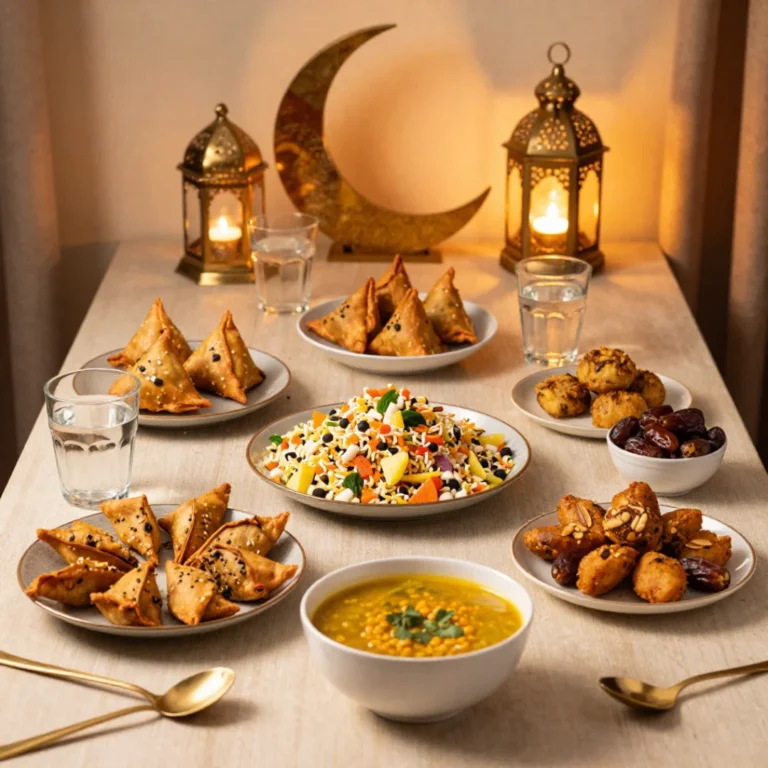
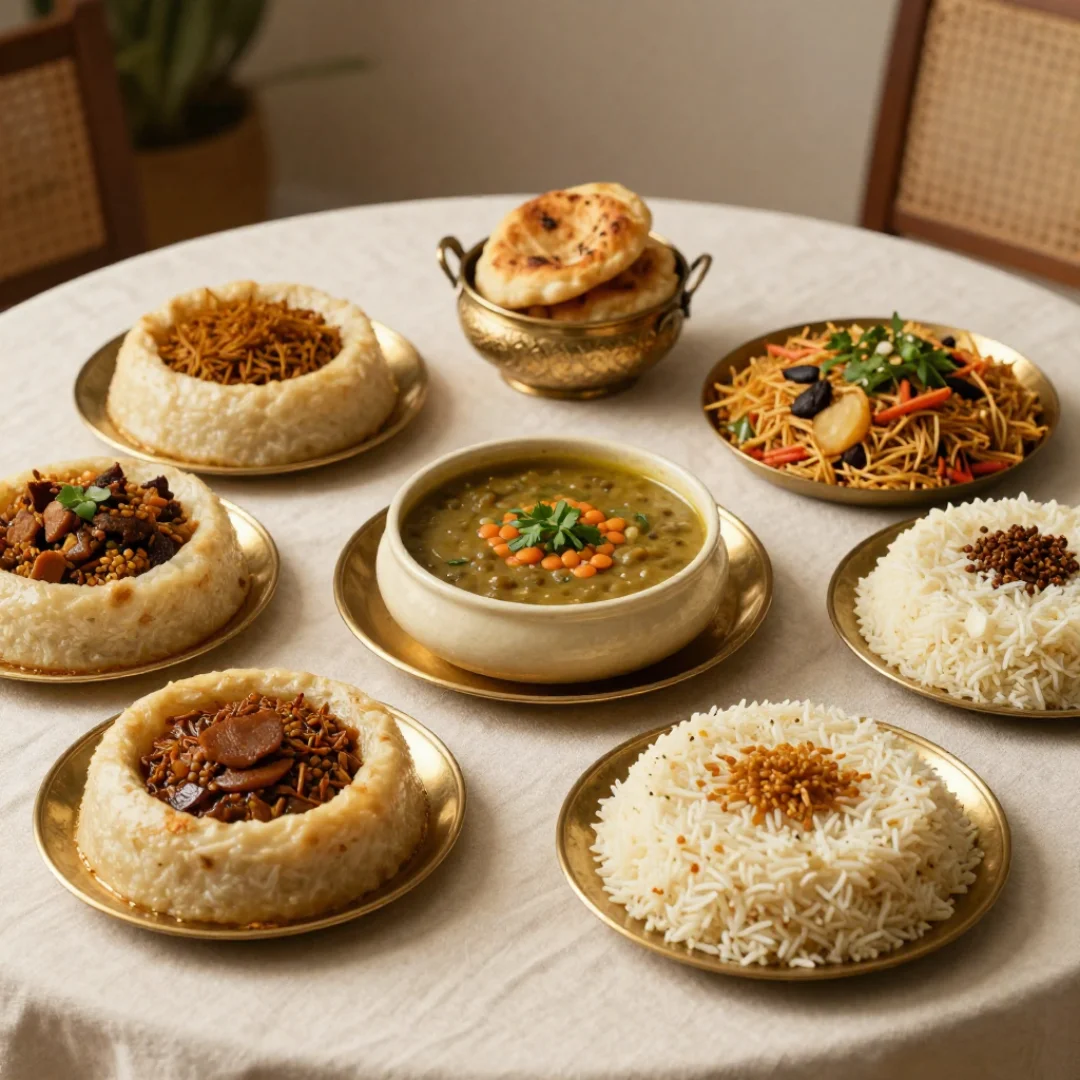
As Ramadan approaches, many of us look forward to preparing traditional Egyptian dishes to bring our families and friends together. Egyptian cuisine is known for its rich flavors, aromas, and variety of recipes that can be enjoyed throughout the holy month. In this article, we will explore 7 authentic Ramadan Egyptian recipes that are sure to make your Ramadan celebrations unforgettable. These iconic recipes have been passed down through generations and are enjoyed by Egyptians all over the world. They not only offer a taste of Egypt’s rich culinary heritage but also provide the perfect opportunity to bond with loved ones and create lifelong memories.
From breakfast to dinner, and dessert to snacks, these 7 recipes cater to different meal times, ensuring that you have a delicious and authentic Egyptian meal option available every day. Whether you’re hosting iftar gatherings or breaking your fast with your family, these recipes are sure to delight both kids and adults alike. So, let’s dive into these mouth-watering recipes and learn how to make them a part of your Ramadan celebrations.
Ful Medames
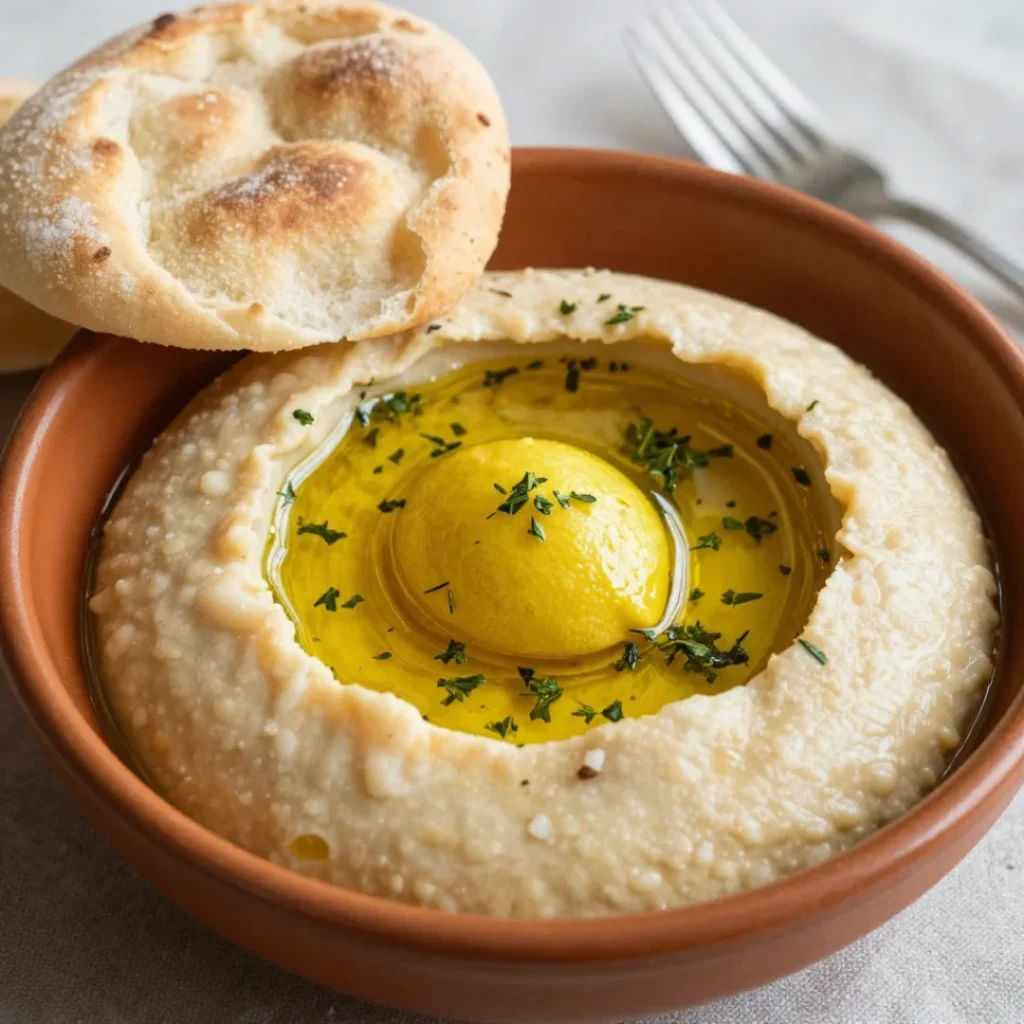
Ful Medames is a traditional Egyptian breakfast dish made from fava beans that have been slow-cooked in their own broth until they’re tender and creamy. The cooked fava beans are then mashed and mixed with garlic, lemon juice, and olive oil, and often topped with chopped parsley, onions, and vinegar. This hearty and nutritious breakfast dish is a staple in Egyptian cuisine and is often served with pita bread or rice. Ful Medames is not only delicious but also packed with protein, vitamins, and minerals that will keep you energized throughout the day.
Ingredients
– 1 cup dried fava beans
– 4 cups water
– 2 cloves garlic
– 1 tablespoon olive oil
– 2 tablespoons lemon juice
– 1 teaspoon ground cumin
– 1 teaspoon paprika
– Salt and black pepper, to taste
– Chopped parsley, onions, and vinegar, for garnish
Instructions
1. Rinse the dried fava beans and soak them in water for at least 8 hours. Drain the beans, reserving 4 cups of water.
2. Place the drained fava beans in a large pot and add the reserved water. Bring to a boil, then reduce the heat and simmer for 1-2 hours, or until the beans are tender.
3. Drain the cooked fava beans and mash them with a fork or potato masher.
4. Heat the olive oil in a pan over medium heat and sauté the minced garlic until fragrant.
5. Add the mashed fava beans, cumin, paprika, salt, and black pepper to the pan and stir well.
6. Cook for another 5 minutes, stirring occasionally, until the mixture is heated through.
7. Serve the Ful Medames hot, garnished with chopped parsley, onions, and a drizzle of vinegar.
Taameya (Falafel)
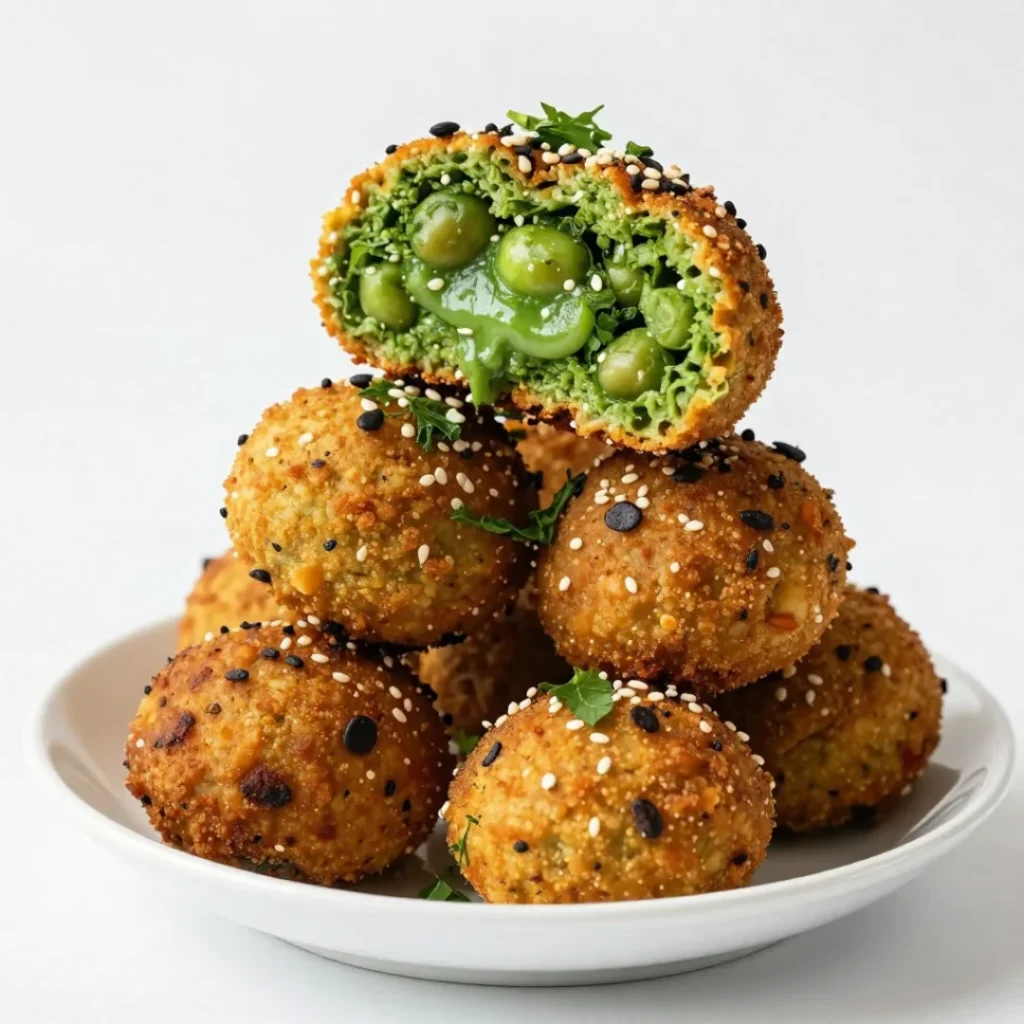
Taameya, also known as Egyptian-style falafel, is a popular street food in Egypt that consists of crispy, flavorful chickpea patties. These delicious patties are made from a mixture of chickpeas, onions, garlic, and spices that have been deep-fried until golden brown. Taameya is often served in pita bread with tahini sauce and pickled vegetables, making it a satisfying and healthy snack or meal.
Ingredients
– 1 cup dried chickpeas
– 2 cups water
– 2 cloves garlic
– 1 onion
– 1 teaspoon cumin
– 1 teaspoon coriander
– 1/2 teaspoon cayenne pepper
– 1/2 teaspoon salt
– 1/4 teaspoon black pepper
– 2 tablespoons tahini
– 2 tablespoons all-purpose flour
– Vegetable oil, for frying
Instructions
1. Rinse the chickpeas and soak them in water for at least 8 hours. Drain the chickpeas, reserving 2 cups of water.
2. Place the drained chickpeas in a blender or food processor with the garlic, onion, cumin, coriander, cayenne pepper, salt, and black pepper. Blend until the mixture is well combined.
3. Heat the vegetable oil in a deep frying pan over medium heat.
4. Using your hands, shape the chickpea mixture into small patties.
5. Fry the patties in batches until they’re golden brown, about 3-4 minutes per side.
6. Drain the fried Taameya on paper towels and serve hot in pita bread with tahini sauce and pickled vegetables.
Lentil Soup
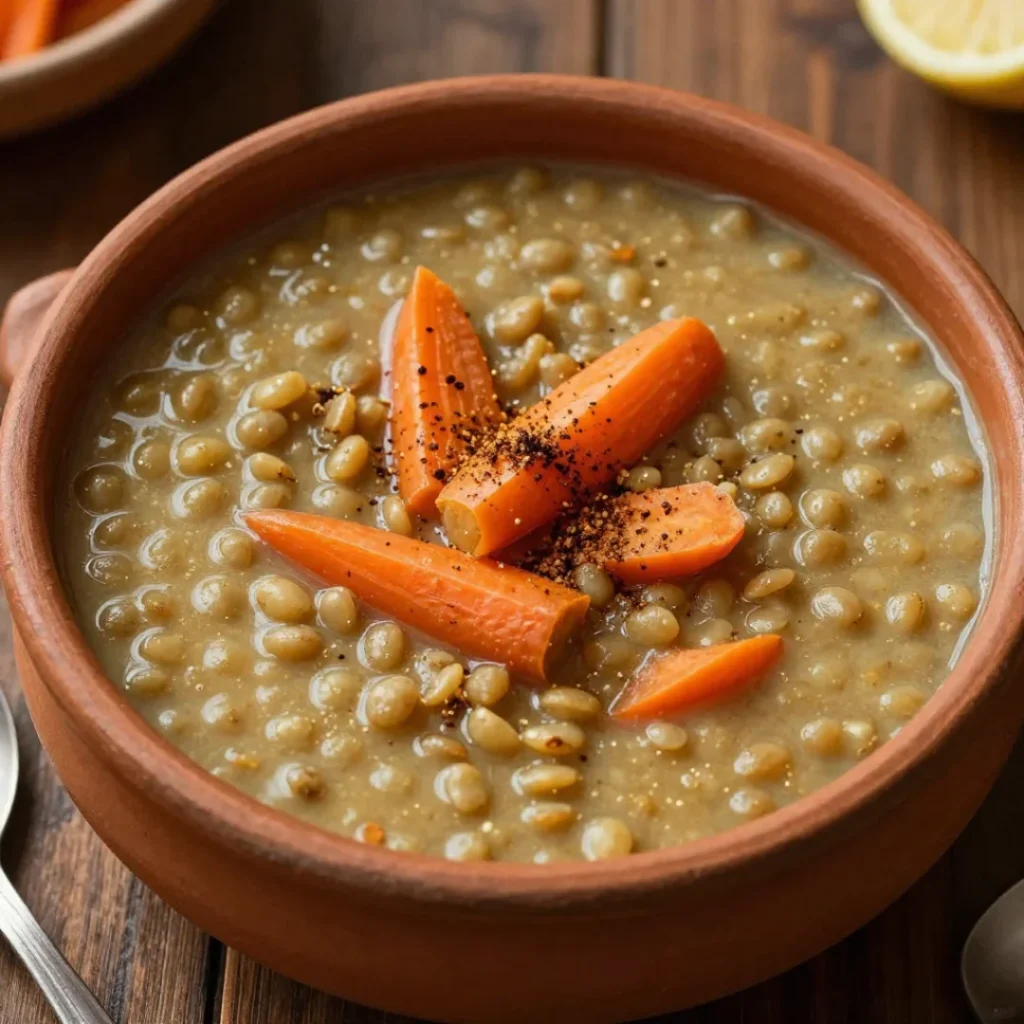
Lentil soup is a staple Egyptian dish made from red or green lentils that have been cooked in a flavorful broth with aromatic spices. This comforting soup is often served as a main course or a side dish, and can be accompanied by crusty bread or rice. Egyptian lentil soup is known for its rich flavors and thick consistency, making it a satisfying meal option for any time of the day.
Ingredients
– 1 cup dried red or green lentils
– 4 cups water
– 2 tablespoons olive oil
– 1 onion
– 2 cloves garlic
– 1 teaspoon ground cumin
– 1 teaspoon ground coriander
– 1/2 teaspoon cayenne pepper
– Salt and black pepper, to taste
– Fresh parsley, for garnish
Instructions
1. Rinse the lentils and soak them in water for at least 8 hours. Drain the lentils, reserving 4 cups of water.
2. Heat the olive oil in a large pot over medium heat and sauté the chopped onion until softened.
3. Add the minced garlic, cumin, coriander, cayenne pepper, salt, and black pepper to the pot and stir well.
4. Add the reserved water and lentils to the pot, bring to a boil, then reduce the heat and simmer for 30-40 minutes, or until the lentils are tender.
5. Serve the lentil soup hot, garnished with fresh parsley.
Hawawshi
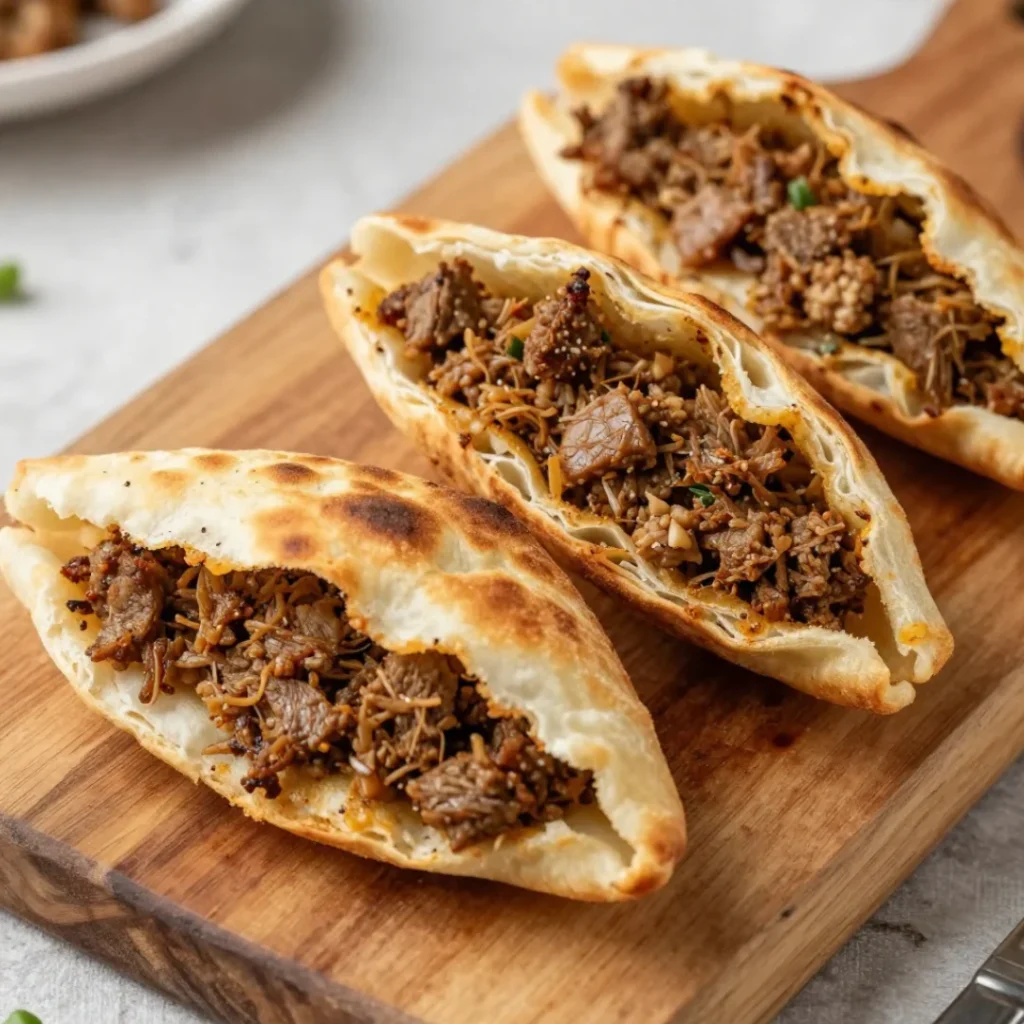
Hawawshi is a popular Egyptian street food made from stuffed bread that’s filled with spiced ground meat and onions. This delicious dish is often served as a snack or light meal, and can be enjoyed hot or cold. Egyptian Hawawshi is known for its crispy crust and flavorful filling, making it a must-try for any food enthusiast.
Ingredients
– 1 package of pita bread
– 1 pound ground meat (beef or lamb)
– 1 onion
– 2 cloves garlic
– 1 teaspoon ground cumin
– 1 teaspoon ground coriander
– 1/2 teaspoon cayenne pepper
– Salt and black pepper, to taste
– 2 tablespoons vegetable oil
Instructions
1. Preheat the oven to 375°F (190°C).
2. Cut the pita bread in half lengthwise and place it on a baking sheet.
3. In a bowl, mix the ground meat, chopped onion, minced garlic, cumin, coriander, cayenne pepper, salt, and black pepper until well combined.
4. Stuff each pita bread with the meat mixture, leaving a 1-inch border around the edges.
5. Brush the tops of the pita bread with vegetable oil and bake for 15-20 minutes, or until the bread is crispy and golden brown.
6. Serve the Hawawshi hot, garnished with chopped parsley or sumac.
Koshari
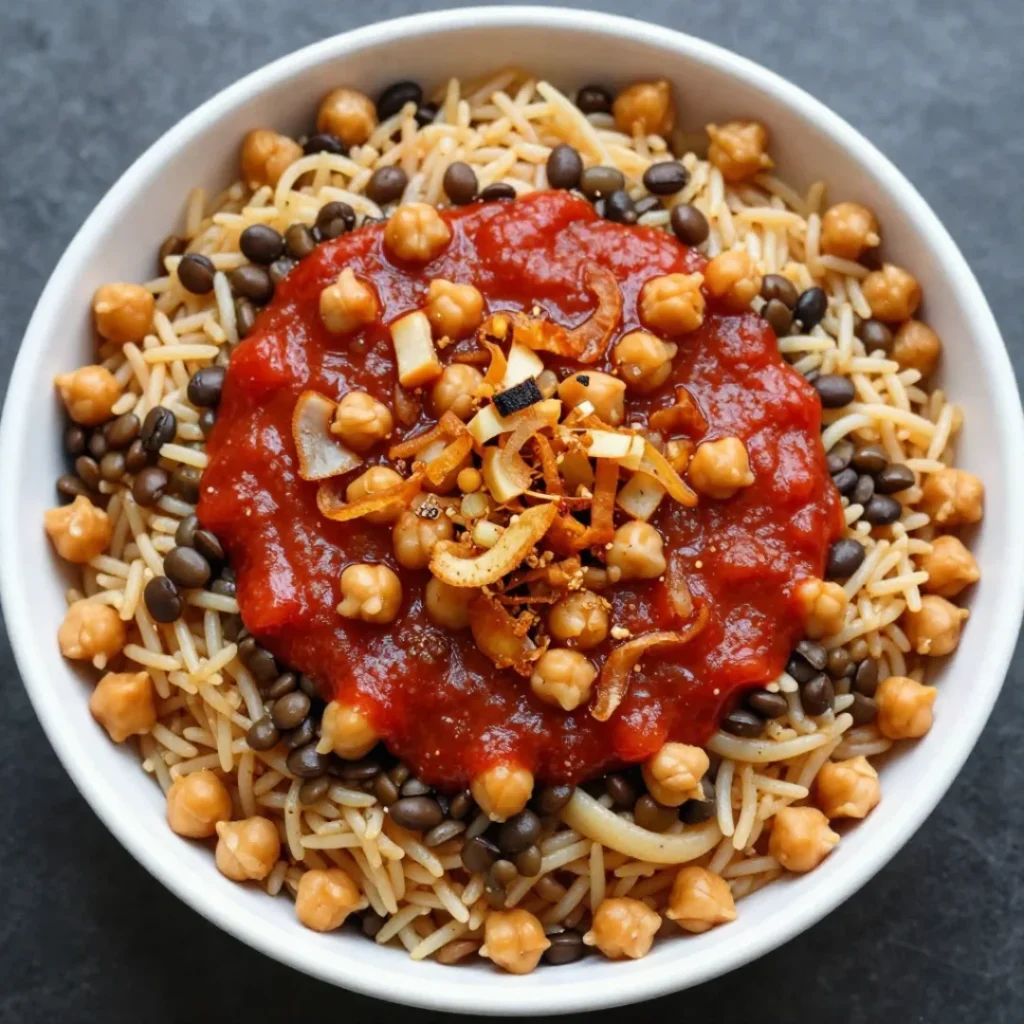
Koshari is a beloved Egyptian dish made from a combination of pasta, rice, lentils, and tomato sauce. This hearty and flavorful dish is often served as a main course or side dish, and can be accompanied by crispy fried onions or a dollop of yogurt. Egyptian Koshari is known for its rich and savory flavors, making it a must-try for any pasta lover.
Ingredients
– 1 cup pasta (macaroni or penne)
– 1 cup cooked rice
– 1 cup cooked lentils
– 2 cups tomato sauce
– 1 onion
– 2 cloves garlic
– 1 teaspoon ground cumin
– 1 teaspoon ground coriander
– Salt and black pepper, to taste
– Chopped parsley, for garnish
Instructions
1. Cook the pasta, rice, and lentils according to the package instructions. Drain and set aside.
2. In a pan, heat the tomato sauce over medium heat and add the chopped onion, minced garlic, cumin, coriander, salt, and black pepper.
3. Cook for 5-7 minutes, stirring occasionally, until the sauce is heated through.
4. Add the cooked pasta, rice, and lentils to the pan and stir well to combine.
5. Cook for another 2-3 minutes, stirring occasionally, until the ingredients are well combined.
6. Serve the Koshari hot, garnished with chopped parsley.
Basbousa
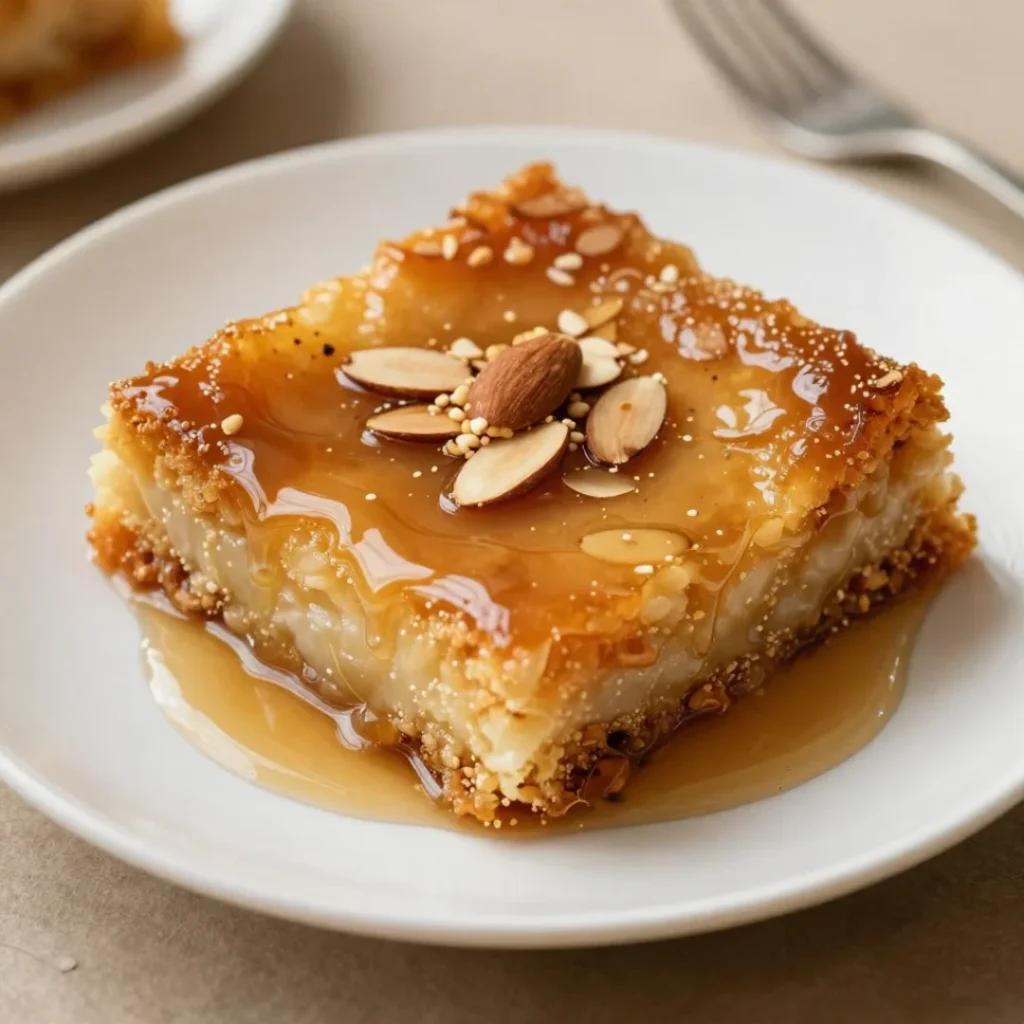
Basbousa is a traditional Egyptian dessert made from semolina cake that’s soaked in syrup and topped with almonds. This sweet and moist cake is often served at birthday parties and celebrations, and can be enjoyed with a cup of tea or coffee. Egyptian Basbousa is known for its crispy edges and soft center, making it a must-try for any dessert enthusiast.
Ingredients
– 1 cup semolina flour
– 1 cup granulated sugar
– 1/2 cup unsalted butter, melted
– 2 large eggs
– 1 teaspoon baking powder
– 1/2 teaspoon salt
– 1 cup sliced almonds
– 1 cup rose water
– 1 cup granulated sugar (for syrup)
Instructions
1. Preheat the oven to 350°F (180°C). Grease a 9×13-inch baking dish and set aside.
2. In a bowl, whisk together the semolina flour, granulated sugar, baking powder, and salt.
3. In a separate bowl, whisk together the melted butter, eggs, and rose water.
4. Add the dry ingredients to the wet ingredients and mix until well combined.
5. Pour the batter into the prepared baking dish and smooth the top.
6. Sprinkle the sliced almonds over the batter.
7. Bake for 25-30 minutes, or until the edges are golden brown and the center is set.
8. Allow the cake to cool slightly before soaking it in the syrup made by dissolving the granulated sugar in rose water.
Egyptian Rice Pudding
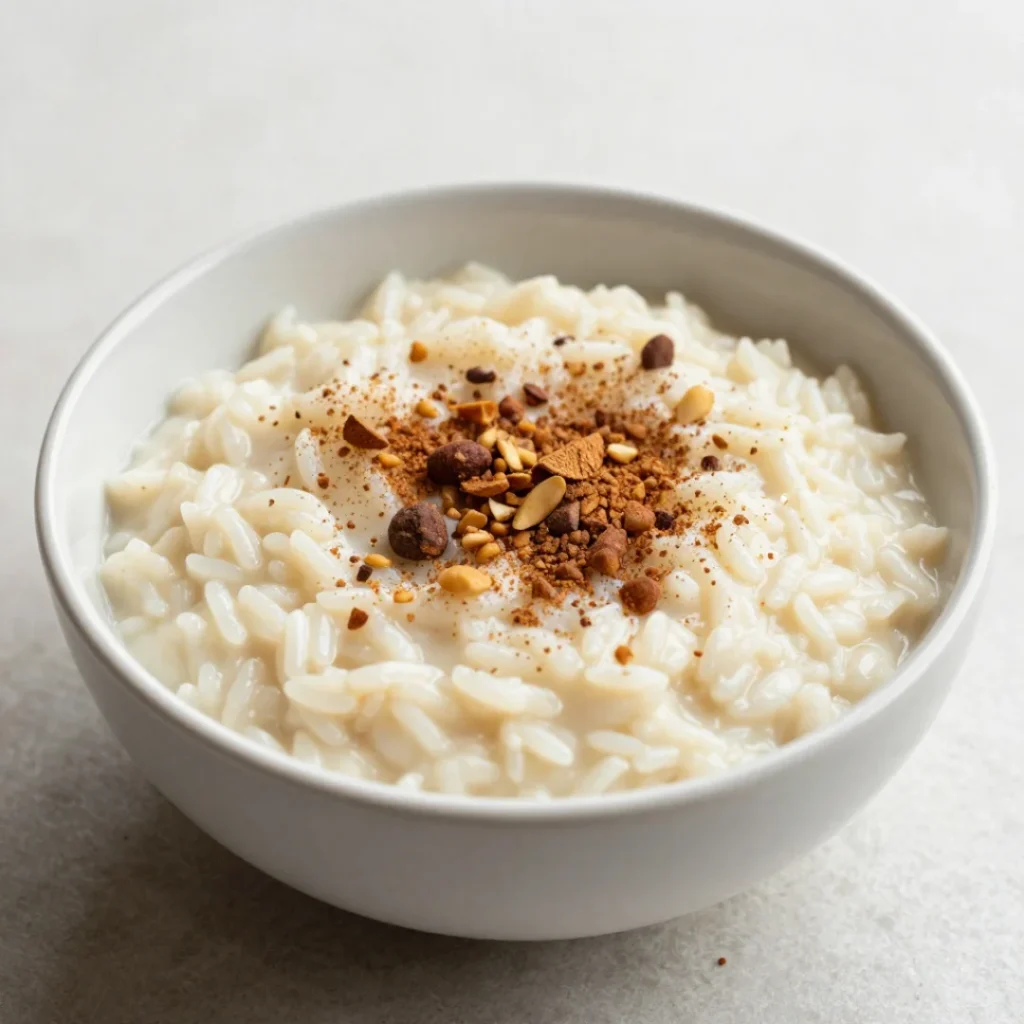
Muhallabia is a traditional Egyptian dessert made from rice pudding that’s cooked in milk and flavored with rose water and cardamom. This creamy and sweet dessert is often served at iftar gatherings and special occasions, and can be enjoyed with a sprinkle of pistachios or almonds. Egyptian Muhallabia is known for its rich and comforting flavors, making it a must-try for any dessert enthusiast.
Ingredients
– 1 cup uncooked rice
– 3 cups milk
– 1 cup granulated sugar
– 2 tablespoons rose water
– 1 teaspoon ground cardamom
– 1/4 teaspoon salt
– 1/4 cup unsalted butter
– Chopped pistachios or almonds, for garnish
Instructions
1. Rinse the rice and soak it in water for at least 8 hours. Drain the rice and set aside.
2. In a large saucepan, combine the rice, milk, granulated sugar, rose water, cardamom, and salt.
3. Cook over medium heat, stirring constantly, until the mixture comes to a boil.
4. Reduce the heat to low and simmer, covered, for 15-20 minutes, or until the rice is cooked and the pudding is creamy.
5. Stir in the unsalted butter until melted.
6. Serve the Muhallabia hot or cold, garnished with chopped pistachios or almonds.